
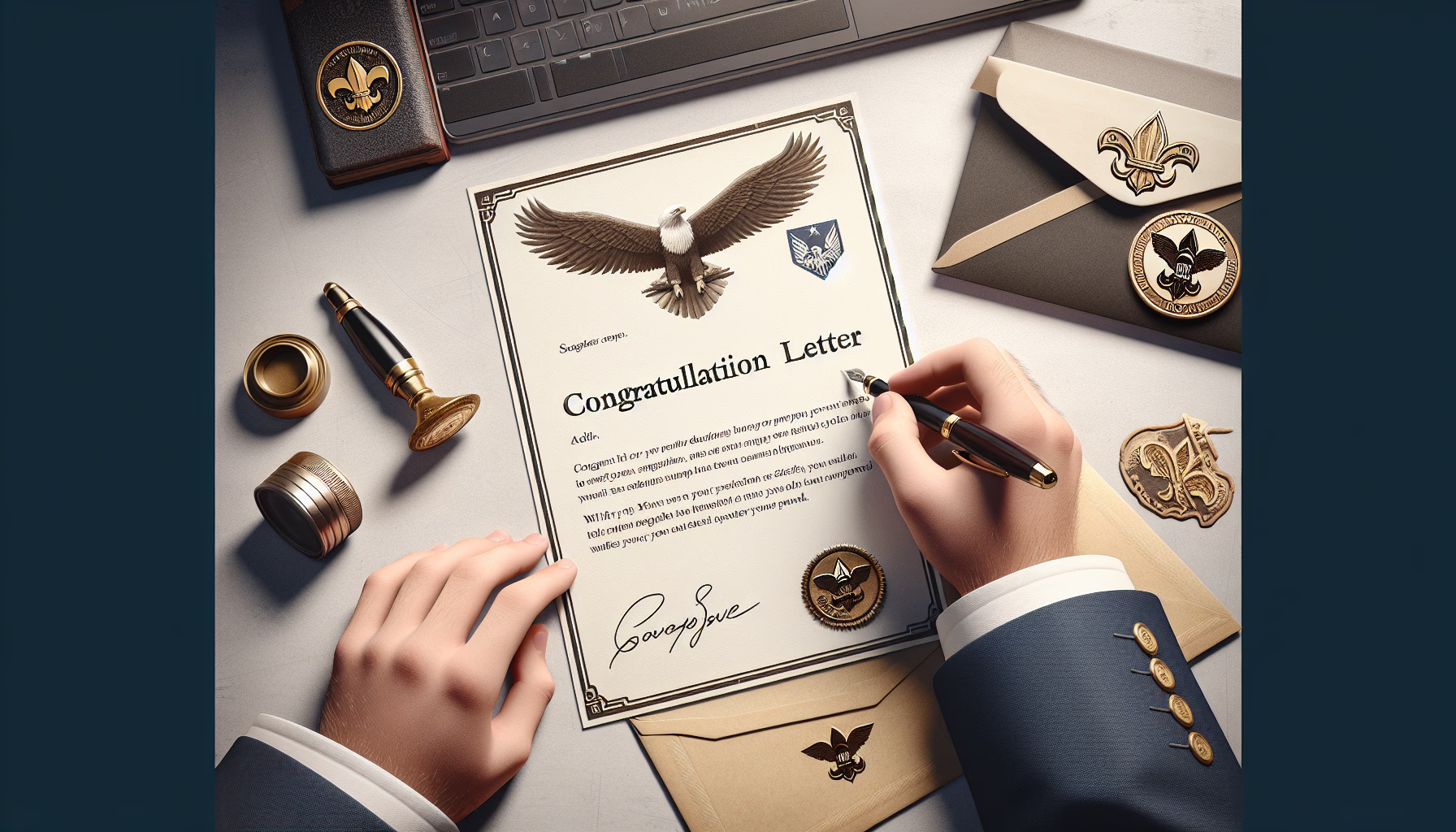

Key factsA politician's Eagle Scout letter should honor achievements with a personal touch
- Gather the scout's full name, troop number, and date of achievement before drafting the letter.
- Detail the scout's Eagle project, leadership roles, and any awards to personalize the message.
- Open with "Dear [Scout's Full Name]," and close with "Sincerely" or "With highest regards" plus a signature and title.
- Use official letterhead, or a word processor with Times New Roman or Arial size 12 and 1-inch margins.
- A handwritten signature or a brief personal anecdote strengthens the letter's authenticity.
Imagine you're tasked with drafting a congratulatory Eagle Scout letter on behalf of a politician. It’s not just any letter; it's a symbol of significant achievement that resonates deeply with the recipient and their community. Crafting such a letter requires tact, warmth, and an understanding of its profound impact.
This task might seem daunting at first, but don't worry. You're not alone. Whether you’re an aide in a politician's office or handling communications, knowing how to effectively convey congratulations and inspire is crucial. In this article, we’ll guide you through the essential steps to create a memorable and impactful Eagle Scout congratulation letter from a political figure. You'll learn how to blend formality with personal touch, ensuring the message isn't just well-received but cherished for years to come.
Understanding the Importance of the Letter
Crafting a congratulatory Eagle Scout letter from a politician not only honors the recipient's achievement but also reinforces important civic bonds. This section explores key aspects that highlight why such letters hold significant value.
Representing the Constituency
A politician's congratulatory letter to an Eagle Scout does more than celebrate an individual achievement; it serves as a public acknowledgment from the representative of your community. Engaging with constituents in this personal way enhances the politician’s connection to their electorate and demonstrates their commitment to youth development and community values. Letters like these reflect on how constituents are valued, showing that their accomplishments resonate beyond personal circles into wider societal recognition.
Inspirational Impact on Youth
Receiving a congratulatory letter from a well-known public figure can greatly inspire young individuals. It instills pride and motivates them toward further achievements, often encouraging peers to pursue similar accolades. For many youths, especially those achieving something as notable as Eagle Scout status, validation from a respected leader amplifies their sense of accomplishment and boosts their confidence in future endeavors. Such letters serve not only as tokens of recognition but also as powerful tools for inspiring continued excellence amongst peers and younger generations within the community.
Pre-Writing Preparation
Before drafting a congratulatory Eagle Scout letter from a politician, thorough preparation ensures the message is both personal and prestigious. This initial step sets the stage for crafting a letter that resonates with its recipient.
Gather Information About the Eagle Scout
Collecting comprehensive details about the Eagle Scout forms the foundation of your letter. Begin by obtaining basic information such as:
Full Name: Ensure correct spelling to address them appropriately.
Troop Number: Identifies their scout group, which can be referenced in the letter to add a personal touch.
Date of Achievement: Important for acknowledging when they attained their Eagle Scout rank.
Additionally, reach out to their scout leader or family members to get insights into their character and scouting journey. This information will help personalize the letter, making it more meaningful.
Understand the Eagle Scout's Achievements
Understanding and highlighting specific achievements of the Eagle Scout elevates the quality of your congratulatory message. Delve into:
Project Details: Learn about their Eagle project, its purpose, impact, and any challenges they overcame.
Leadership Roles: Note any leadership positions held within their troop or community organizations.
Awards and Honors: List any additional recognitions they have received during their time in scouting.
This detailed appreciation not only honors their efforts but also demonstrates genuine recognition from a public figure.
Materials Needed
To begin crafting a congratulatory Eagle Scout letter from a politician, certain materials are essential. These items ensure the letter is professional and appropriately honors the scout's achievements.
Official Letterhead
Using official letterhead for your congratulatory Eagle Scout letter underscores its authenticity and significance. This stationary typically features the politician’s office details, such as name, title, governmental body, contact information, and an emblem or crest associated with their position. If you do not have access to pre-printed official letterhead, many governmental offices offer digital templates that can be printed on high-quality paper to maintain a formal appearance.
Pen or Word Processor
Select between a pen for handwritten notes or a word processor for typed letters based on the desired personal touch:
Pen: A handwritten letter can convey warmth and personal recognition. Choose a high-quality pen with blue or black ink to ensure legibility and professionalism.
Word Processor: A typed letter offers uniformity and clarity. Use fonts like Times New Roman or Arial in size 12 to keep the presentation clean and formal. Ensure the document aligns with standard business formatting, 1-inch margins on all sides with single-spaced lines.
Both methods require careful consideration of presentation to reflect respect for the eagle scout's hard work and dedication effectively.
Writing the Congratulatory Letter
After selecting the suitable materials and deciding whether to handwrite or type your letter, focus on structuring the congratulatory message effectively.
Opening: Addressing the Recipient
Begin with a formal salutation that reflects respect and recognition. Use "Dear [Scout's Full Name]," followed by a brief introduction expressing honor in acknowledging the Scout's achievement. Personalize this section if you know the recipient personally, which demonstrates genuine attention.
Middle Section: Acknowledging Achievements
Detail the Scout’s accomplishments in a manner that not only praises but also resonates with civic values. Mention specific projects, leadership roles, and personal attributes that highlight their journey to becoming an Eagle Scout. Tie these achievements to broader community benefits or lessons learned, emphasizing how they align with societal ideals of character and service.
Closing: Well Wishes and Signature
Conclude with forward-looking well wishes that encourage continual growth and contribution to society. Opt for phrases like "Continue to lead with integrity," or "May your future endeavors be as impactful as your journey thus far." End with a formal closure such as "Sincerely" or "With highest regards," followed by your printed name, signature, and official title beneath.
Tips for a Compelling Opening
Craft an engaging opener by briefly mentioning how you became aware of the Scout's accomplishments, through local news, community events, or direct interaction. This sets a contextually rich background right from the start.
How to Highlight Achievements Effectively
Structure achievements around impact themes, such as leadership development, community service, or personal growth. Provide examples like organizing charitable events (community service) or overcoming significant challenges (personal growth). This method ensures clarity while reinforcing the significance of each accomplishment.
Ideas for Memorable Closing Remarks
Incorporate motivational quotes related to leadership or service that resonate with scouting values. Alternatively, express hope for meeting at upcoming public events where their continued contributions can be celebrated further.
After Writing: Final Steps
Once you have composed your congratulatory Eagle Scout letter, the next steps ensure its readiness for delivery. These final adjustments refine the letter to perfection.
Proofreading the Letter
Proofread your letter meticulously to maintain professionalism and clarity. Begin by checking for any spelling or grammatical errors that could undermine the seriousness of your message. Read through each sentence to verify that it flows logically from one point to another, ensuring coherence in presenting ideas. Enlist a colleague or use professional proofreading tools; these resources can provide a new perspective and help catch errors you might overlook.
Next, examine the tone and language consistency throughout your letter. The tone should align with both the formal nature of an official political document and the personal warmth suitable for congratulating a young individual on such a significant achievement. Adjust any phrases that seem out of place or do not contribute effectively to this dual purpose.
Finally, confirm all factual details mentioned in the letter, such as names, dates, and specific achievements of the Eagle Scout. Accurate information shows respect for the recipient's hard work and ensures that your message is both personal and commendable.
Adding Personal Touches
Adding personal touches can significantly enhance the impact of your letter on its recipient. Include a handwritten signature at the end of your typed document; this small gesture adds a layer of personal engagement and authenticity that printed text alone cannot convey.
Consider incorporating a brief anecdote or reference unique interactions you may have had with scouting groups or community events if relevant. Such personalized comments reflect genuine interest and involvement with local youth initiatives beyond generic acknowledgments.
Optionally, attach official seals or stamps related to your office along with other embellishments appropriate to governmental correspondence which lend an air of authority and formality to your congratulations.
By combining meticulous proofreading with heartfelt personal touches, you elevate your congratulatory Eagle Scout letter into an inspiring testament to civic duty and personal success.
Troubleshooting Common Issues
After diligently crafting your congratulatory Eagle Scout letter, addressing common issues ensures the message reaches its recipient with the intended impact and professionalism.
Addressing Mistakes in the Letter
Review and Revise Immediately After Writing: Once you complete writing, take a moment to review the letter. Checking immediately helps catch errors while the details are fresh in your mind.
Utilize Spellcheck Tools: Programs like Microsoft Word or Grammarly detect not only spelling mistakes but also grammatical errors. These tools can highlight subtle issues that might escape a quick read-through.
Read Out Loud: This technique allows you to hear how the content sounds, making it easier to identify awkward phrasing or tone inconsistencies.
Seek a Second Opinion: If time permits, ask a colleague or another staff member to review the letter. A fresh pair of eyes might spot errors you overlooked.
Handling Delays in Letter Delivery
Confirm Address Details: Ensure that no delay occurs due to incorrect address information. Double-check the recipient's address for accuracy before sending.
Track the Delivery: If using postal mail, opt for tracked delivery services. Tracking provides updates on where your letter is and when it gets delivered.
Prepare for Plan B: In case of significant delays, consider preparing an electronic version of the letter. Email serves as an immediate alternative if physical delivery fails or faces unexpected setbacks.
By addressing these potential pitfalls with care and precision, your congratulatory Eagle Scout letter from a politician will fulfill its role as both an honor and a memorable keepsake for its proud recipient.
Writing a Congratulatory Eagle Scout Letter from a Politician with ChatGPT
To ensure the letter is both personal and professional, using ChatGPT can provide structure and inspiration. Below is a prompt designed to help you generate a comprehensive and engaging congratulatory letter. Fill in the brackets with relevant information about the Eagle Scout and the politician.
ChatGPT Prompt:
I need to write a congratulatory Eagle Scout letter from a politician. The politician's name is [Politician's Full Name], and they hold the position of [Politician's Title]. The Eagle Scout's name is [Eagle Scout's Full Name], and they recently achieved the rank of Eagle Scout on [Date of Achievement].
Here’s a detailed outline of the key elements to include:
Opening:
Begin with a formal salutation: "Dear [Eagle Scout's Full Name],"Introduce the politician and their position.
Express honor in acknowledging the Scout's achievement.
Acknowledging Achievements:
Mention specific details about the Scout's accomplishments, including their Eagle project and any leadership roles.Highlight personal attributes such as dedication, leadership, and community service.
Emphasize how these achievements reflect positively on the community and align with civic values.
Personal Touch:
Include a brief anecdote or reference any personal interactions the politician may have had with the Scout or their troop.
Add a motivational quote related to leadership or community service.
Closing:
Offer well wishes for the Scout's future endeavors.
Use a formal closing: "Sincerely" or "With highest regards,"
Include the politician's printed name, signature, and official title.
Please generate a detailed and heartfelt congratulatory Eagle Scout letter based on these guidelines.
Examples of Effective Congratulatory Letters
After ensuring your congratulatory Eagle Scout letter is error-free and dispatch-ready, analyzing successful examples can provide insights into crafting a compelling message. Here’s how politicians have effectively conveyed congratulations.
Analyzing Successful Letters by Politicians
Examine the structure, tone, and content of commendable letters from politicians to understand what makes them resonate with recipients. Review at least three different letters to identify common themes such as patriotism, personal growth, and community service.
Structure:
Begin with a formal greeting tailored to the recipient.
Introduce yourself and your position.
Express genuine admiration for the achievement.
Tone:
Maintain a professional yet warm tone throughout.
Use language that reflects respect and encouragement.
Content:
Mention specific accomplishments or traits you admire in the scout.
Include an inspirational quote or a brief anecdote that aligns with scouting values.
Conclude with best wishes for future endeavors.
By incorporating these elements, your letter will not only congratulate but also inspire young individuals who are making significant contributions to their communities.
Conclusion
Crafting a heartfelt Eagle Scout letter as a politician is an opportunity to celebrate young achievements and foster community spirit. By integrating the strategies you've learned (personal touches professional tone and timely delivery) you'll create a message that resonates deeply. Remember your words can inspire further excellence in these young leaders. Embrace this chance to make a meaningful impact with your well-crafted congratulatory letter.
Frequently Asked Questions
What is the importance of a well-crafted Eagle Scout congratulatory letter from a politician?
A well-crafted congratulatory letter from a politician not only recognizes the achievements of an Eagle Scout but also underscores their significant contribution to the community. It serves as an inspirational message that encourages continued excellence and leadership among youth.
How can personal touches enhance an Eagle Scout congratulatory letter?
Incorporating personal touches such as mentioning specific accomplishments or traits admired in the Scout adds a genuine and heartfelt dimension to the letter, making it more impactful and memorable for the recipient.
What are key elements to include in an effective Eagle Scout congratulatory letter?
Key elements include a formal greeting, expression of admiration for the achievement, maintaining a professional yet warm tone, and highlighting specific accomplishments or admirable traits of the scout. These components help personalize the message and reinforce its sincerity.
Why is proofreading important in crafting a congratorial letter?
Proofreading ensures clarity, professionalism, and correctness in communication. It prevents misunderstandings due to grammatical errors or typos, thereby preserving the integrity and impact of your message.
How should common issues like mistakes or delivery delays be addressed after writing an Eagle Scout congratulatory letter?
Addressing mistakes involves promptly revising any errors found after sending while ensuring timely communication with relevant parties about rectifications. For delivery delays, planning ahead by setting early deadlines can mitigate potential timing issues effectively.